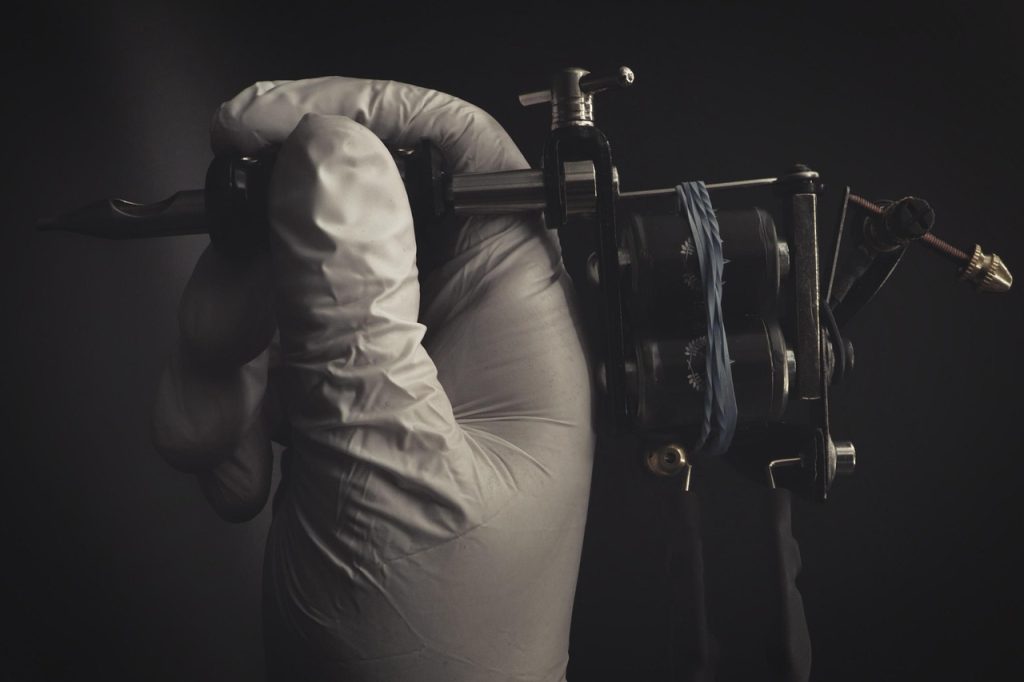
For custom tattoo artists, stroke length shapes how a machine drives the needle into the skin, but a longer stroke does not automatically produce richer color. Ink saturation depends on the relationship between the machine’s movement, needle grouping, hand speed, voltage, and the client’s skin. A setting that packs color efficiently in one area may feel too aggressive on another.
Stroke Length Settings for Ink Saturation
Stroke length measures how far the needle travels during each machine cycle. A longer stroke generally delivers a firmer, more direct hit, which can help a trained artist place pigment efficiently during color packing. A shorter stroke tends to feel softer and can offer more gradual control for shading or delicate work.
For many artists, a medium-to-long stroke—often around 3.5 to 4.2 mm—is a reasonable starting point for solid color work. This is not a universal prescription: machine design, needle configuration, skin characteristics, and individual tattoo technique all affect the result. The objective is smooth, even coverage with minimal repeated passes, not maximum force.
Machine Settings and Skin Response
Stroke length works alongside voltage and hand speed, so changing one setting without considering the others can make saturation less predictable. A longer stroke combined with an overly fast hand movement may leave pigment unevenly distributed; slowing down excessively or repeatedly working the same patch can irritate the skin.
Artists should assess how the machine responds on the surface and adjust gradually. Tattoo machine settings should support a controlled rhythm, while tattoo needle depth must be managed through technique and an understanding of the skin—not inferred from stroke length alone. For general background on skin-related considerations, consult this health information resource.
These variables are best considered together, since a single adjustment can change the feel of the entire setup. The following ranges are broad reference points rather than fixed rules:
| Typical use | Starting stroke range | Practical consideration |
|---|---|---|
| Soft shading | About 2.5–3.0 mm | A gentler feel can support gradual transitions, but does not replace controlled hand movement. |
| General color work | About 3.5–4.0 mm | A balanced starting range for many setups; assess coverage and skin response as work progresses. |
| Dense color packing | About 4.0–4.2 mm or more, when appropriate | A firmer hit may aid efficient pigment placement, but excessive force can increase trauma. |
Needle Hang, Depth, and Consistent Ink Deposition
Needle hang describes how much of the needle extends beyond the cartridge or tube at rest. It affects visibility and control, but the visible extension is not a direct measurement of how deeply the needle enters the skin. Actual skin penetration depends on the artist’s angle, pressure, machine movement, and the skin’s response.
That distinction matters because increasing stroke length to compensate for poor coverage can lead to overworking rather than better results. A controlled hand, suitable needle grouping, and a consistent working angle help keep pigment placement even. If color looks patchy, review the full setup and technique before making the machine hit harder.
A useful setup check focuses on several connected factors rather than one dial. These points can help structure that assessment:
- Match the stroke to the task. Use a firmer stroke only when the design, machine, and technique call for it.
- Keep hand speed consistent. Uneven movement can produce inconsistent pigment coverage even with an appropriate stroke.
- Observe the skin response. Redness, swelling, or increasing irritation can signal that the area is being worked too aggressively.
- Adjust one variable at a time. This makes it easier to identify whether stroke, voltage, grouping, or movement is affecting the result.
Color Packing for Custom Tattooing
In custom tattooing, color packing requires a balance between saturation and skin preservation. A longer stroke may help needles engage more decisively, particularly with larger groupings, but the outcome still depends on an artist’s control and the machine’s response. Smaller areas or sensitive skin may call for a more conservative approach, even when dense color is the goal.
Build coverage methodically and avoid treating repeated passes as a substitute for a well-matched setup. When saturation is inconsistent, reconsider the needle grouping, working pattern, and hand speed before increasing impact. The broader principles of skin care and recovery are also worth reviewing through this general health resource.
Practical Stroke Selection for Artists
The most effective setting is the one that delivers predictable results for a specific machine, needle, and task. Artists can refine their choices by recording setups and observing how different combinations affect coverage, control, and skin response over time.
Rather than treating any range as a guarantee, use it as a starting point and rely on sound technique, careful observation, and professional judgment. For persistent difficulty achieving even saturation, a qualified tattoo-machine specialist or experienced mentor can help assess the equipment and working method.