
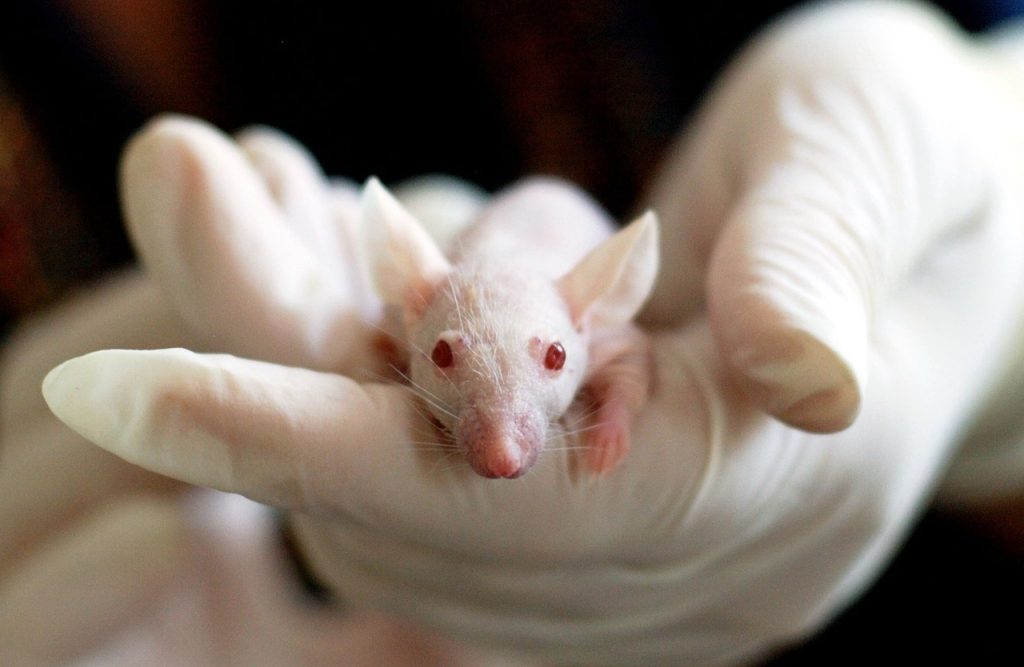
A Pet laboratory turns small volumes of blood and urine into information that can guide diagnosis, treatment and follow-up. Accuracy depends not only on the analyzer: sample collection, labeling, storage and preparation all shape what a result can reliably tell a veterinary team.
Sample processing from collection to analysis
Reliable Sample processing begins before a specimen reaches a bench. The veterinary team selects an appropriate collection method and container, then records the animal’s identification, collection time and relevant clinical details so that results remain connected to the right patient.
At the laboratory, staff check the label, container and sample condition. Clots, leakage, insufficient volume or marked hemolysis can affect testing; when a problem could distort results, the laboratory may request a fresh specimen rather than report misleading findings.
Blood sample preparation and testing
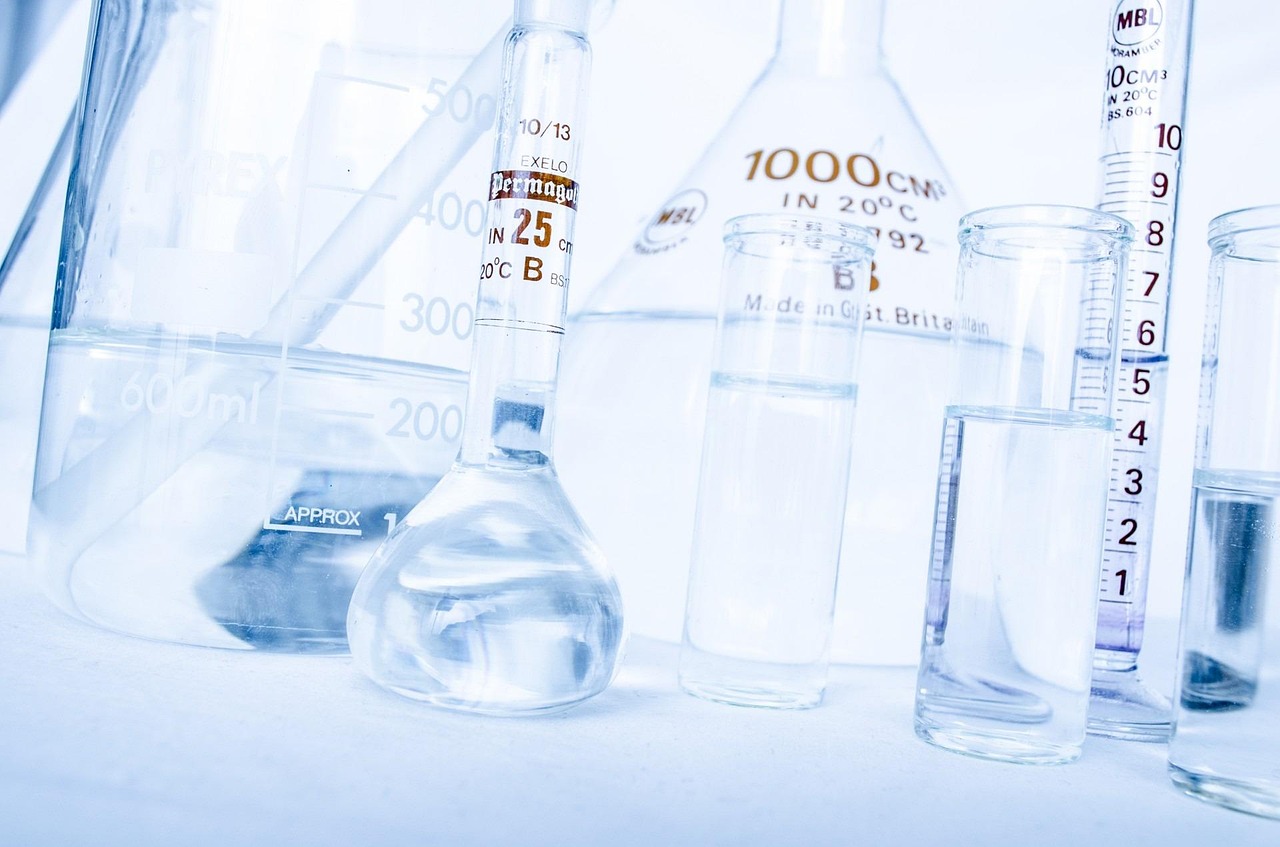
Different tests require different blood components. Anticoagulant-treated blood is commonly used for a complete blood count, while serum or plasma is used for many chemistry tests; choosing the wrong tube can interfere with measurements or prevent analysis altogether.
After separation where required, analyzers assess selected cell counts or chemical markers. A blood smear may also be prepared and examined under a microscope, particularly when automated results need clarification. Blood testing therefore combines instrument readings with professional review rather than relying on a single number.
Urine sample preparation and testing
Urine analysis typically includes an assessment of appearance, concentration and chemical properties, followed by examination of the sediment when indicated. A refractometer can measure specific gravity, while microscopy may reveal cells, crystals, casts or microorganisms that add context to a dipstick result.
Collection method and timing matter: contamination can introduce cells or bacteria, and delays may alter the sample. Prompt testing, or appropriate refrigeration when a delay is unavoidable, helps preserve findings for interpretation.
Diagnostic accuracy through laboratory controls
Veterinary diagnostics depend on more than technically correct measurements. Results are interpreted alongside the animal’s symptoms, history, medications and examination findings, because a laboratory value can have different meanings in different clinical contexts.
Clinical pathology teams also consider whether a result fits the rest of the test pattern. Unexpected or inconsistent findings may prompt a repeat measurement, a smear review or a discussion with the veterinarian; this verification helps distinguish a genuine change from an analytical or handling issue.
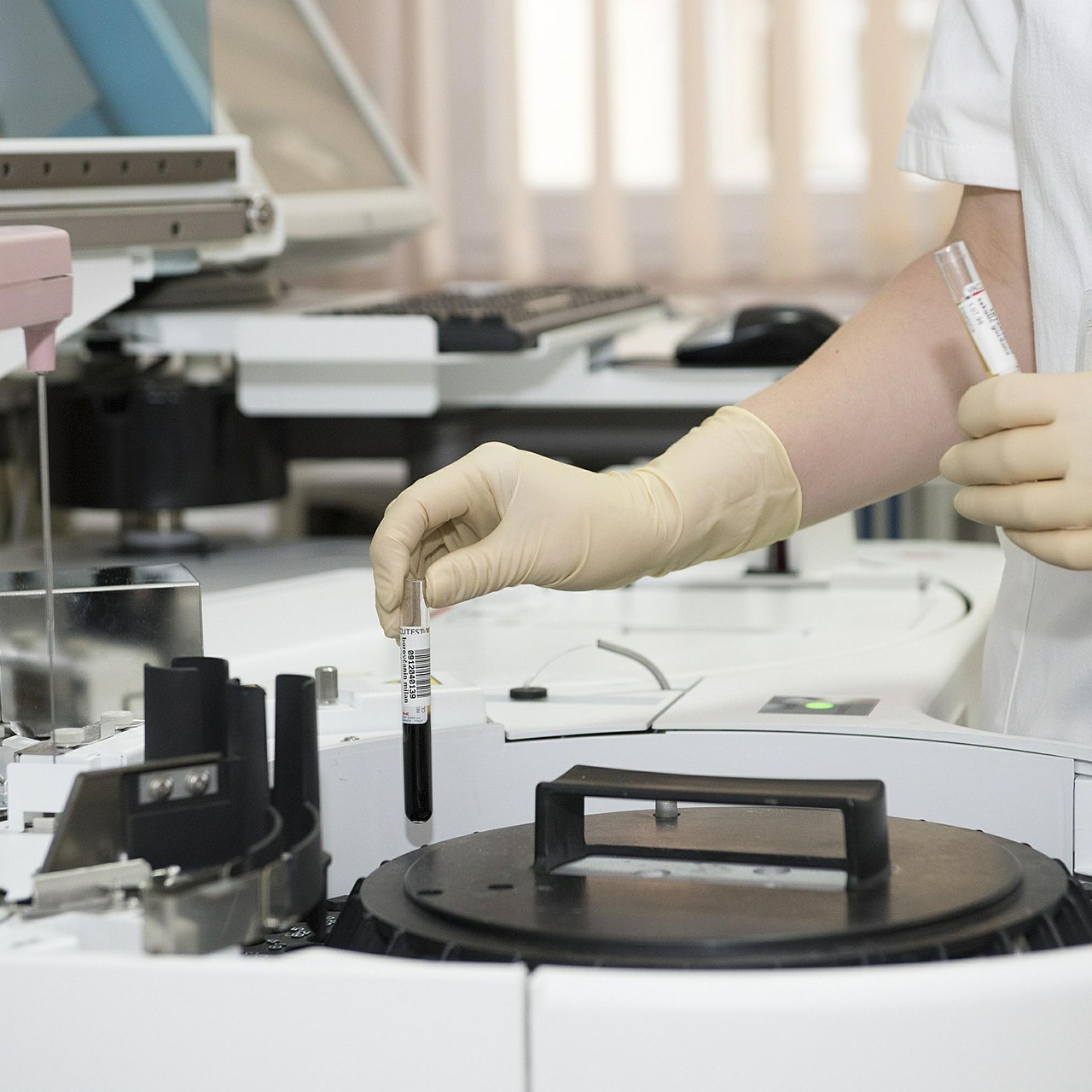
Several checkpoints help protect the reliability of results throughout the workflow:
- Patient identifiers and specimen labels are checked against the submitted test request.
- Tube type, sample volume and condition are assessed before testing begins.
- Analyzers are maintained and checked with appropriate control materials.
- Results that are unexpected or technically flagged receive additional review when needed.
Quality control and equipment checks
Quality control uses known materials to check whether an instrument is performing within expected limits. If a control result falls outside its acceptable range, staff investigate before relying on patient results, which may involve checking reagents, calibration, maintenance or the sample itself.
Laboratory equipment is selected and maintained for the tests performed, from centrifuges and microscopes to automated analyzers. Regular upkeep, documented procedures and staff training reduce avoidable variation, making a consistent process the foundation of dependable findings.
Result interpretation and clinical context
A report is most useful when its values are considered together rather than in isolation. Reference intervals can vary with species, age, laboratory method and other factors, so veterinary professionals interpret results using the relevant ranges and the individual clinical picture.
For example, urine concentration may help assess how the kidneys are handling water, but it does not establish a diagnosis by itself. Likewise, a blood count can identify patterns that warrant further investigation without explaining their cause; follow-up testing may be needed to complete the picture.
Common factors that influence results
Some influences arise before analysis, while others concern interpretation. Recognizing them helps the veterinary team decide whether a result is ready to guide care or whether clarification is appropriate.
| Factor | Possible effect | Laboratory response |
|---|---|---|
| Incorrect tube or insufficient volume | Testing may be compromised or unavailable | Confirm requirements and request a suitable sample if needed |
| Delayed urine examination | Cells and other sediment features may change | Prioritize prompt analysis or suitable storage |
| Hemolysis or contamination | Some measurements may be affected | Assess the specimen and qualify or repeat testing when appropriate |
| Results inconsistent with clinical findings | A value may need further context | Review, repeat or discuss additional testing |
Clear communication between the laboratory and veterinary practice completes the process. Notes about sample quality, limitations or follow-up needs help prevent a technically valid result from being misunderstood.
Accurate results through a complete workflow
From collection to reporting, accuracy depends on a chain of careful decisions: correct identification, suitable preparation, validated testing and thoughtful interpretation. A Pet laboratory supports better-informed care when every link in that chain is treated with equal attention.
Veterinary professionals can explain how particular findings relate to an animal’s health and recommend any further testing or specialized review required.