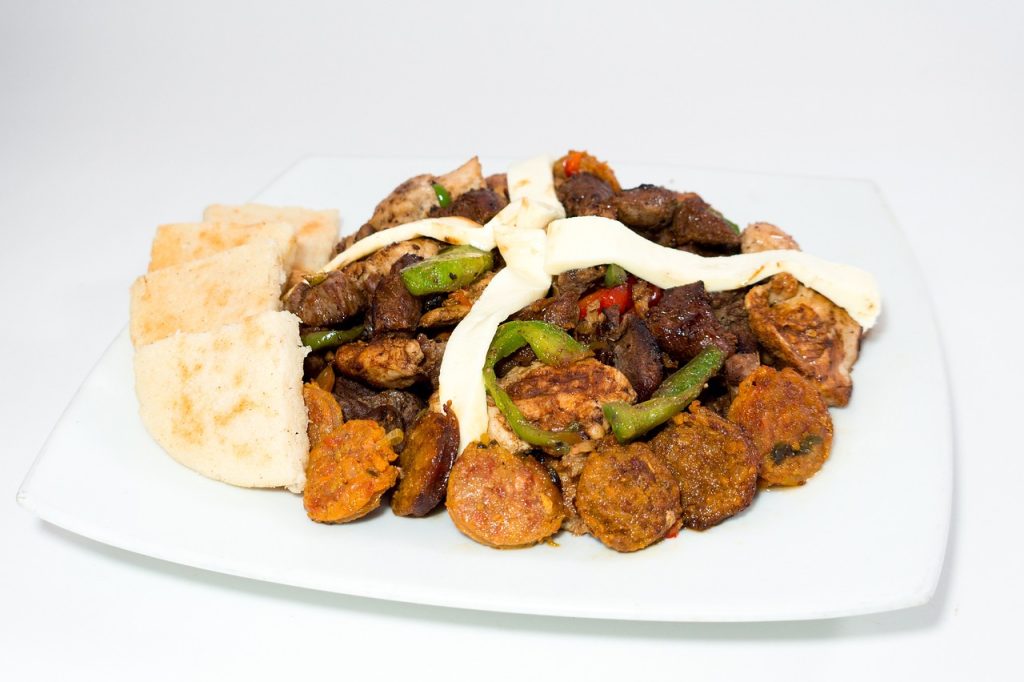
Exploring the world of Venezuelan arepas unveils a rich tapestry of culinary tradition, celebrating a food deeply woven into the country’s cultural heritage. These delightful cornmeal cakes have stood the test of time, evolving from a staple of indigenous peoples to a beloved comfort food that resonates with countless generations. The uniqueness of authentic arepas lies in their versatile fillings, the textures of crispy exteriors and tender interiors, and the simplicity of their preparation. This exploration dives into the essential elements that make Venezuelan arepas not just a dish but a symbol of national pride and identity.
The Rich History of Arepas
Originating over 3,000 years ago, arepas have been a staple sustenance for indigenous groups throughout Venezuela and Colombia. The name “arepa” comes from an indigenous term meaning corn. This humble food served as a daily comfort, evolving from simple flatbreads to versatile culinary canvases.
Evolution of the Arepa
- Indigenous Beginnings: Early arepas were made from ground corn, representing one of humanity’s first prepared foods.
- Cultural Significance: Through generations, they became a vital part of daily life, symbolizing community and shared traditions.
- Modern Versatility: Today, arepas have transformed into diverse meal options, customizable with a variety of fillings and preparation styles.
Preparation: The Art of Crafting Arepas
Making authentic Venezuelan arepas is an art form, steeped in tradition while embracing modern cooking techniques. The fundamental ingredients include pre-cooked corn flour, salt, and water. Unlike other corn-based dishes, such as tortillas, the dough for arepas requires no rising, making the preparation process straightforward and accessible.
Essential Ingredients
To create these delightful cakes, you’ll need:
- Masarepa: A specially prepared corn flour that delivers the signature texture of arepas.
- Water: Warm water helps achieve the perfect dough consistency.
- Salt: Enhances flavor and rounds out the overall taste.
 Step-by-Step Arepa Creation
- In a bowl, mix masarepa with salt.
- Gradually add warm water, kneading until a smooth, pliable dough forms.
- Divide the dough into balls and flatten them into discs about half an inch thick.
- Cook in a hot griddle or skillet, flipping until golden brown, creating a crisp outer layer while keeping the inside fluffy.
The Irresistible Fillings of Arepas
The versatility of arepas truly shines through their myriad of fillings. Here are some popular combinations that highlight both traditional flavors and innovative twists:
| Arepa Type | Description |
|---|---|
| De Queso | Melted cheese delivers a satisfying bite. |
| Reina Pepiada | A creamy chicken and avocado blend bursting with flavor. |
| Sifrina | A luxurious take on Reina Pepiada, with added cheese for indulgence. |
| La Pelúa | Shredded beef and cheese create a hearty filling. |
| La Catira | A simple yet delightful combo of shredded chicken and cheese. |
The Arepa’s Cultural Significance
More than just a meal, arepas are a cultural icon. They symbolize community, tradition, and the resilience of the Venezuelan people. Sharing arepas fosters a sense of belonging and togetherness, becoming a culinary gesture of hospitality across the country.
Community and Celebration
From family gatherings to local festivals, arepas often take center stage. Their presence in everyday life is a celebration of Venezuelan culture, reflecting local ingredients and partaking traditions. Embracing the art of arepa-making keeps this beloved heritage alive.
Why Arepas Matter Today
As the world becomes more interconnected, arepas have made their way beyond Venezuelan kitchens, becoming a favored dish in various cultures. Their adaptability ensures they can cater to diverse tastes, making them a suitable option for breakfast, lunch, or dinner. In addition, as global food enthusiasts continue to explore authentic cuisine, Venezuelan arepas share their story, inviting everyone to savor their layers of history and culture.
Learn more about Venezuelan cuisine, including what makes a delicious lunch authentic in this article.
Embrace the world of arepas and recreate these traditional delights in your home, experiencing a taste of Venezuela right at your kitchen table.
For more culinary discoveries, visit Cafe Canela Restaurant!