
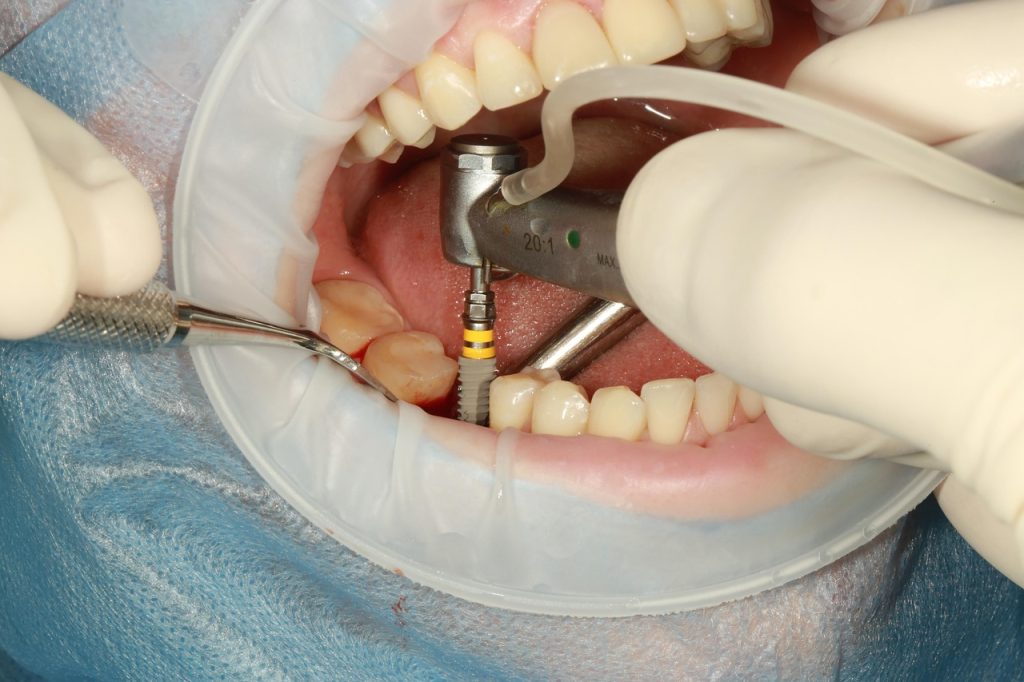
Are you uncertain about whether to choose dental crowns or dental bridges for your oral health needs? You’re not alone in navigating this common dilemma. Both solutions provide effective ways to restore your smile and enhance functionality, but they serve distinct purposes. In this guide, we’ll explore the differences between crowns and bridges, helping you understand their benefits and considerations so you can make an informed decision tailored to your unique dental situation.
Understanding Dental Crowns
Dental crowns are caps that fit over natural teeth or dental implants. These custom-designed restorations primarily aim to restore the shape, size, strength, and appearance of a tooth that has been damaged due to decay, injury, or other dental issues. Crowns can be composed of materials like porcelain, metal, or a blend, each serving to blend aesthetically with your existing teeth.
When Are Crowns the Right Choice?
- Cracked or Fractured Teeth: A crown provides stability and support to weakened teeth, preventing further damage.
- Large Cavities: If a filling isn’t enough, a crown can restore a tooth’s protective layer.
- Post-Root Canal: Teeth that have undergone a root canal often need crowns for reinforcement.
Exploring Dental Bridges
Dental bridges are designed to replace one or more missing teeth. They work by anchoring to the natural teeth on either side of the gap, supporting an artificial tooth or teeth. The procedure requires preparation of the adjacent teeth, which are then covered with crowns to secure the replacement.
When Are Bridges the Best Option?
- Missing Teeth: If you have gaps in your smile, a bridge can restore both function and aesthetics.
- Healthy Surrounding Teeth: For a bridge to be successful, adjacent teeth must be strong enough to support it.
- Avoiding Implants: If you wish to bypass dental implants, a bridge offers a viable alternative.
Key Differences Between Crowns and Bridges
While both crowns and bridges serve pivotal roles in dental restorations, they differ in several key aspects:
| Feature | Crowns | Bridges |
|---|---|---|
| Number of Teeth Involved | Single tooth | Multiple teeth (one or more missing) |
| Procedure | Single tooth preparation | Preparation of adjacent teeth |
| Longevity | 10-15 years | 5-10 years |
| Cost | $800 – $1,500 | $2,000 – $5,000 |
Understanding these differences can significantly impact your restorative decision. If you’re seeking to reinforce an individual damaged tooth, a crown may be your best option. Conversely, if the concern is replacing several teeth, a bridge could be the more appropriate route.
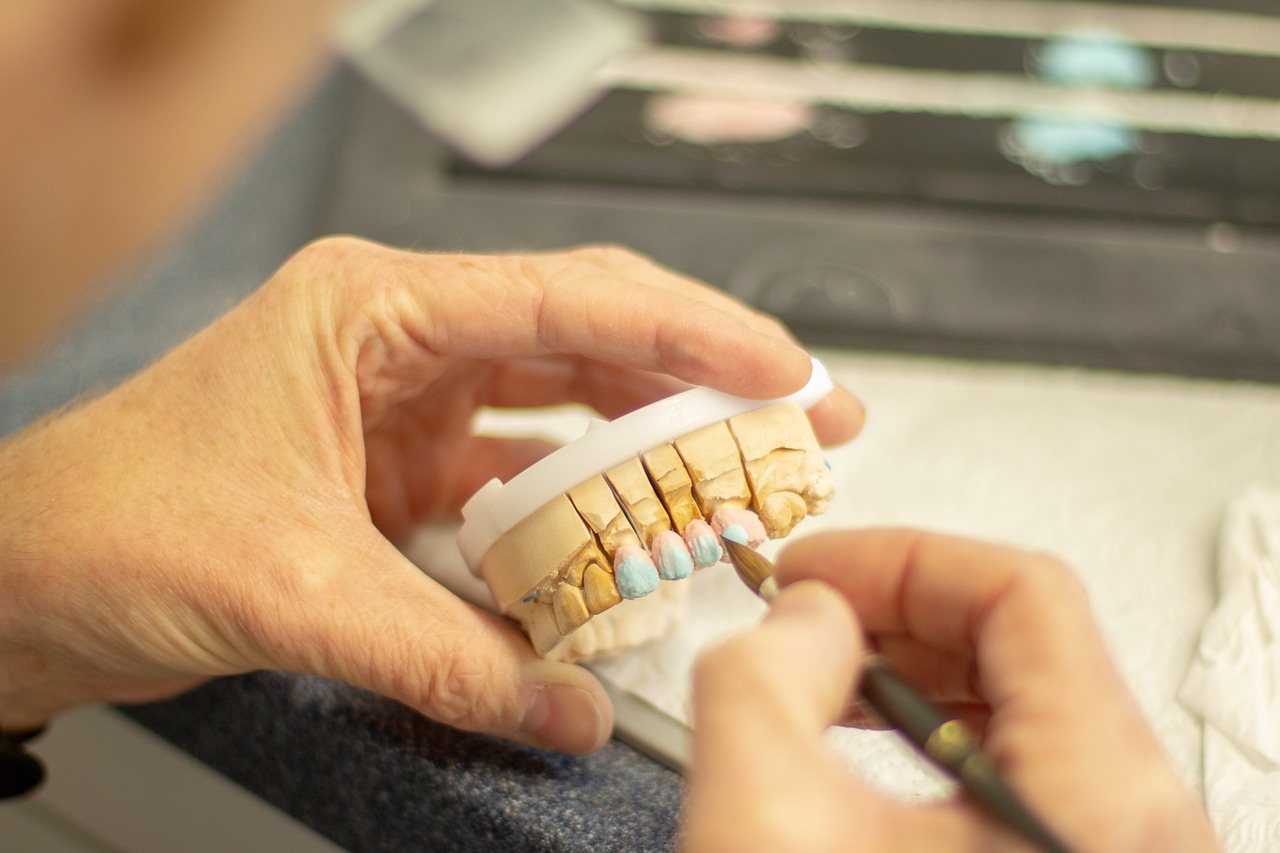
Factors to Consider
Choosing between crowns and bridges often hinges on various factors that affect your oral health:
1. Tooth Condition
Assess the state of the tooth or teeth that need restoration. If a single tooth is cracked or has a large cavity, a crown may suffice. If multiple teeth are missing, a bridge could serve your needs effectively.
2. Location of the Tooth
The position of the affected tooth can influence your choice. Visible front teeth may benefit from the aesthetic advantages of a bridge, while back teeth—with higher chewing forces—might demand the strength of a crown.
3. Long-Term Dental Health
Ensure that surrounding teeth are healthy and can support bridges. If there are underlying dental issues, addressing these must take precedence.
The Costs Involved
Financial considerations also play a significant role in the decision-making process. Typically, bridges are more expensive due to the extensive work involved. Crowns usually range from $800 to $1,500, while a bridge can cost between $2,000 to $5,000. These prices may vary based on the specific materials used and the complexity of your dental situation.
Maintenance of Crowns and Bridges
The longevity of both crowns and bridges heavily relies on proper maintenance:
- Oral Hygiene: Maintain excellent oral hygiene, including brushing and flossing daily.
- Diet Choices: Avoid biting hard substances that can wear down crowns and bridges.
- Regular Check-ups: Schedule dental visits to monitor the condition and ensure everything is in the best shape.
By following these maintenance tips, you can significantly extend the life of your dental restorations, ensuring a beautiful smile for years to come.
In summary, whether you’re leaning towards a dental crown for a damaged tooth or considering a dental bridge to fill in gaps, understanding your needs, tooth condition, and overall oral health are essential in making the right choice. If you have lingering questions or want personalized advice, consulting a dental professional is always a wise next step. For expert care, consider reaching out to Altona Meadows Dental Clinic, where tailored dental solutions and friendly service await!