Ceramic veneers are more than thin porcelain shells: their lifelike appearance depends on how each layer interacts with light, colour and the natural tooth beneath it. From shade selection and dental layering to enamel bonding, every stage shapes the final result. Understanding this process helps explain why careful planning and precise craftsmanship are essential to a smile that looks balanced rather than artificial.
Ceramic veneer planning for natural tooth aesthetics
Before a veneer is made, the dentist assesses the teeth and discusses the desired outcome. This planning stage sets the direction for custom smile design, including the shape, length and alignment of each restoration. A conservative approach is preferred when possible, since preserving healthy enamel can support a reliable bond.
Shade selection and porcelain translucency
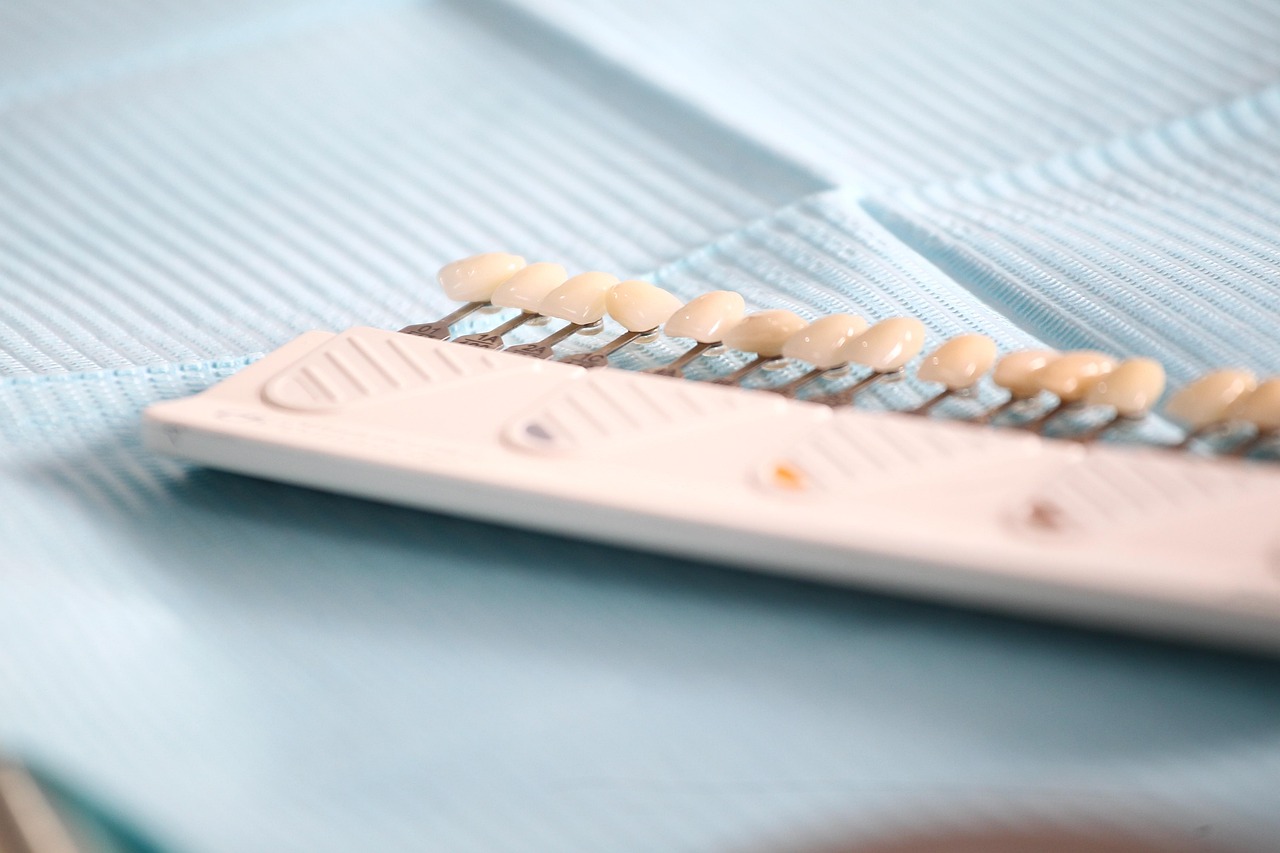
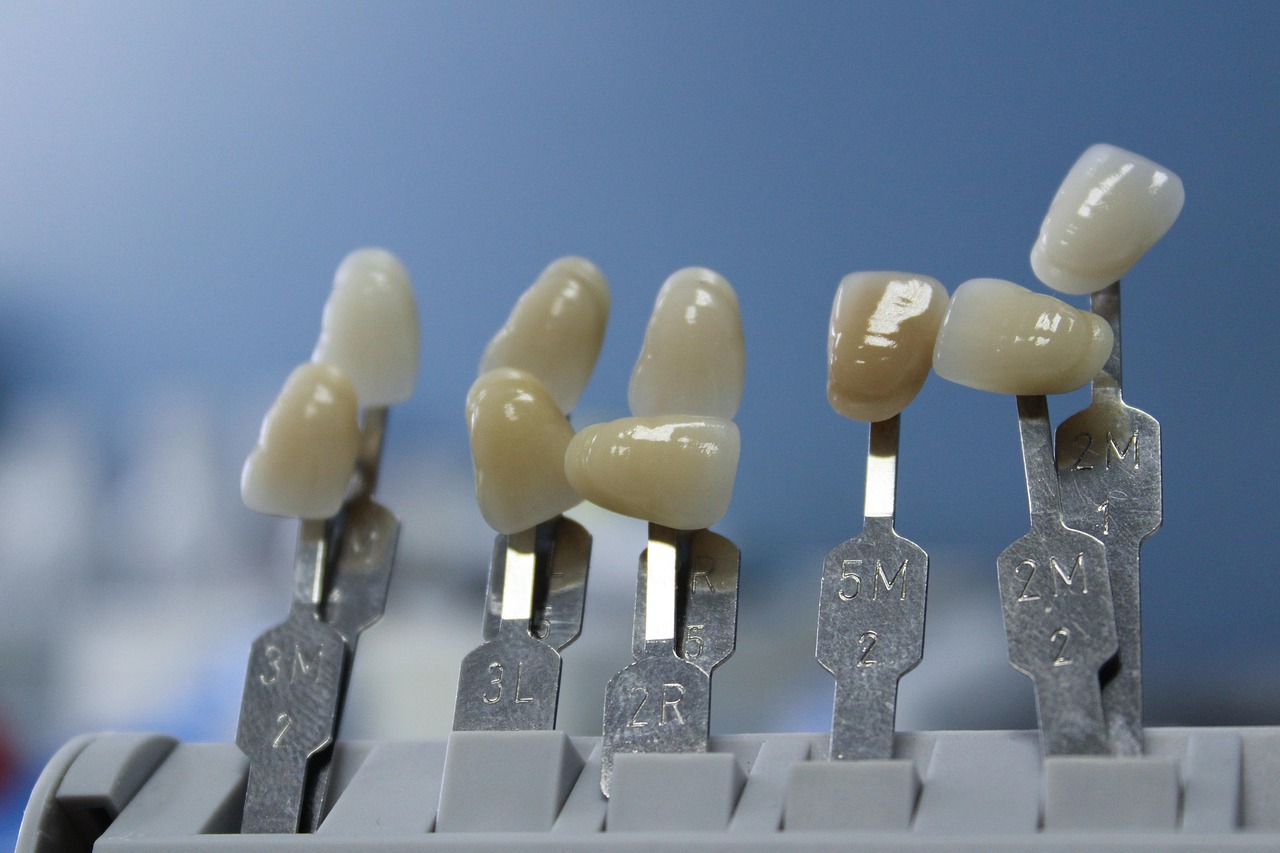
Shade matching involves more than choosing a colour from a chart. The dentist considers how light passes through the tooth, the surrounding teeth’s hue, and the brightness of the patient’s smile. Porcelain translucency helps mimic the way natural enamel appears slightly see-through at the edges, while layered shades can recreate softer colour transitions.
These decisions are especially important when veneers will sit beside untreated teeth. A uniform, opaque finish may look conspicuous, whereas carefully controlled translucency and tone help the ceramic blend into its surroundings. The aim is harmony, not a one-size-fits-all shade.
Design details and preparation
Planning may include photographs, impressions or digital scans, along with a preview of the proposed shape. The dentist checks how the teeth meet when biting and speaking, because a beautiful outline must also work comfortably. Where preparation is needed, removing a small amount of enamel creates room for the veneer while helping it sit flush with the tooth.
For a broader overview of treatment considerations, readers can explore this guide to dental veneers and their uses. A sound plan gives the laboratory a clear blueprint for the next stage.
Layering ceramic veneers to reproduce enamel
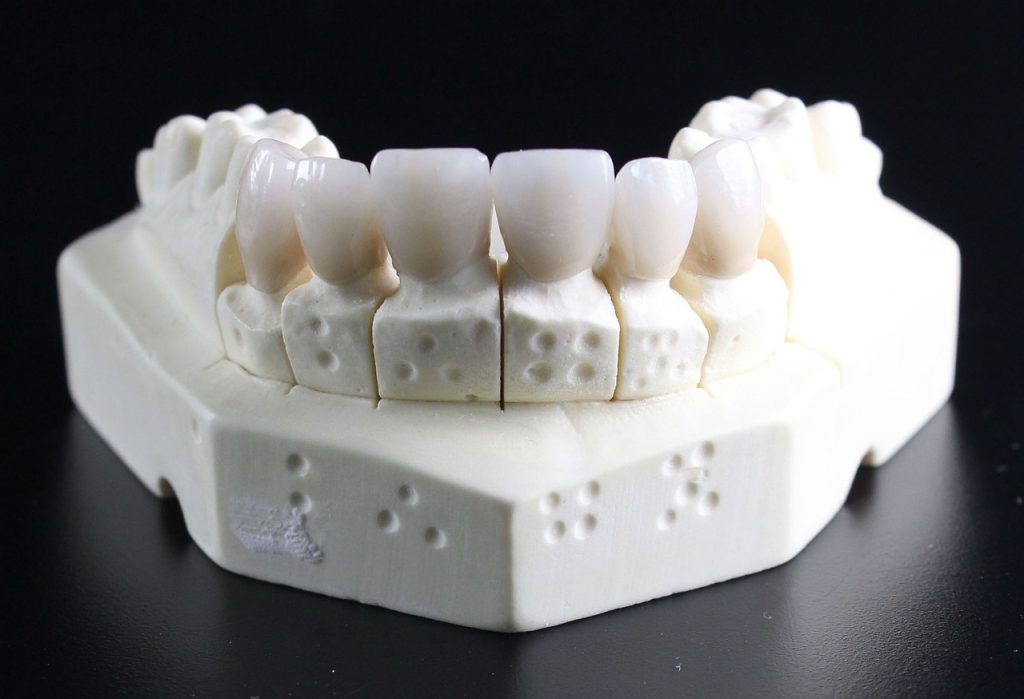
Once the design is established, the technician builds the restoration to reflect the depth and character of a real tooth. Dental layering uses ceramic materials with different optical qualities, rather than relying on a single flat colour. This allows light to interact with the veneer in a way that can appear closer to natural enamel.
Layer construction and colour depth
Depending on the design, a technician may combine a stronger inner ceramic with more translucent outer layers. Subtle variations can be added to reproduce the brighter edge, warmer central area or gentle shading found in natural teeth. These details are calibrated to the surrounding dentition, so the result does not draw attention for the wrong reason.
Material choice also depends on the tooth’s position and the planned thickness. A front tooth may call for particular attention to translucency, while the bite and available space influence the ceramic structure. The laboratory process therefore balances appearance with the demands placed on the restoration.
Surface texture and final character
Colour alone cannot create a convincing finish. Fine ridges, smooth areas and reflective contours affect how a tooth catches the light, making surface texture an important part of the layering process. A carefully finished veneer avoids the overly polished, identical look that can make restorations seem artificial.
Custom ceramic work depends on clear communication between the dentist and laboratory. This article on crafting custom ceramic veneers offers additional context on the design process.
Bonding ceramic veneers securely to enamel
When the veneer is ready, the dentist checks its fit, shape and shade before permanent placement. Enamel bonding is central to retention: the tooth and ceramic surfaces are prepared using materials and steps selected for the specific case. The objective is a close, stable interface that supports the restoration without compromising the surrounding tooth.
Adhesive cementation and placement
During adhesive cementation, the inner surface of the ceramic and the prepared tooth are treated to help them bond. A resin cement is placed between them, and the veneer is seated carefully in position. The dentist removes excess material, checks the margins and bite, then completes the curing and finishing steps according to the materials used.
Precision matters because a clean, well-fitted edge can support comfort and make everyday cleaning easier. If the bite is uneven or the veneer is not seated correctly, adjustments may be needed before the process is complete. Bonding is therefore not simply a final step; it connects the laboratory design to function in the mouth.
Care factors and veneer durability
Veneer durability depends on sound planning, suitable materials, accurate bonding and ongoing oral care. Ceramic is resistant to many forms of staining, but it is not indestructible; biting hard objects or using teeth as tools can cause damage. Routine dental reviews help monitor the restoration and the health of the underlying tooth and gums.
Several practical habits can help protect veneers over time:
- Brush twice daily with a soft-bristled toothbrush and fluoride toothpaste.
- Clean between the teeth each day to support gum health around the veneer margins.
- Avoid chewing ice, pens or other hard objects that may stress ceramic.
- Attend regular dental appointments so the dentist can assess fit, bite and surrounding tissues.
Finishing ceramic veneers for a balanced smile
After placement, the dentist checks how the veneers look at rest and during speech and smiling. Small refinements to the bite or surface can improve comfort and help the restorations sit naturally with neighbouring teeth. The final result depends on the complete sequence: thoughtful design, controlled layering and careful bonding.
A relevant overview of how ceramic veneers may improve a smile can help readers prepare questions for a consultation. A qualified dental professional can assess suitability, explain alternatives and recommend an approach tailored to individual oral health and aesthetic needs.