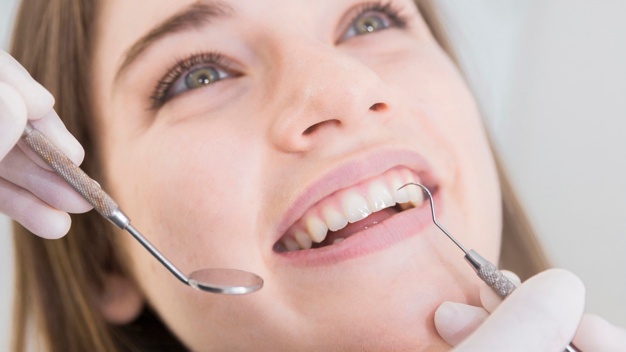

Teeth whitening has become a popular procedure for those seeking a brighter smile, but many individuals express concerns about potential sensitivity following the treatment. Understanding whether teeth whitening causes sensitivity is crucial for anyone considering this cosmetic enhancement. This blog delves into the science behind teeth whitening, the reasons some people experience sensitivity, and practical steps to mitigate discomfort. With the right knowledge and professional guidance, you can achieve a stunning smile while minimizing any adverse effects.
What Is Tooth Sensitivity?
Tooth sensitivity refers to the sudden, sharp pain you experience when enjoying hot, cold, sweet, or acidic foods. It stems from the exposure of the inner tooth layer, known as dentin, due to the erosion of the protective enamel. This inner layer contains tiny tubules filled with nerve endings that, when activated, can trigger discomfort.
Statistics reveal that about one in eight adults experience some form of sensitivity throughout their lives, with occurrences often heightened during whitening treatments.
Understanding the Teeth Whitening Process
Teeth whitening employs specific ingredients that target discoloration, primarily peroxides such as hydrogen peroxide or carbamide peroxide. These agents penetrate the enamel and break down stains into smaller molecules, effectively lightening the teeth without damaging their structure. However, this process also results in the temporary increased permeability of enamel, which can lead to heightened sensitivity.
Why Does Teeth Whitening Cause Sensitivity?
When considering whitening, it’s essential to understand the connection between the treatment and sensitivity. Two primary factors contribute to this phenomenon:
1. Enamel Porosity During Whitening
During whitening, the enamel can become more porous as microscopic pores open to allow the whitening agents to penetrate. This permeability heightens nerve responses to temperature changes, often causing sensitivity after the treatment. Generally, this effect peaks within the first 24 to 48 hours and typically subsides as the enamel rehydrates.
2. Gum Irritation from Improper Application
In some instances, if the whitening gel comes into contact with the gums, it can lead to inflammation and increased sensitivity. This highlights the importance of professional application, where trained dental professionals ensure that the treatment is conducted with care, minimizing the risk of gum irritation.
Who Experiences Increased Sensitivity?
While many patients undergo whitening without any issues, specific individuals may be at greater risk for developing sensitivity. Key factors include:
- Existing Tooth Sensitivity: Individuals with a history of heightened sensitivity may find their discomfort exacerbated after whitening.
- Thin Enamel: Those with naturally thin enamel might experience more pronounced sensitivity due to a lack of protective layers.
- Gum Recession: Exposure of the tooth roots may result in heightened sensitivity, making effective treatment crucial.
- Untreated Cavities or Cracks: Pre-existing dental issues can amplify sensitivity during whitening.
- Overuse of Whitening Products: Excessive use of at-home kits can lead to increased sensitivity and enamel stress.
Professional Whitening vs. Over-the-Counter Solutions
One of the significant distinctions in achieving a bright smile without discomfort lies in the method used.
Professional Whitening: A Safer Option
In-office whitening treatments involve advanced techniques and monitored application. Dental professionals create custom-fit trays that protect the gums and ensure proper application, thereby minimizing sensitivity.
Over-the-Counter Products: Potential Risks
Conversely, over-the-counter products may lack customization, potentially causing irritation. Generic trays may not fit properly, leading to leaking gel that affects the gums. Furthermore, misuse of these kits can amplify sensitivity, posing a risk to your dental health.
Managing and Preventing Sensitivity
Fortunately, there are practical strategies to mitigate sensitivity during and after whitening treatments:
Before Whitening
1. Desensitizing Toothpaste: Consider using a toothpaste specifically designed for sensitive teeth for a few weeks prior to treatment.
2. Regular Dental Checkup: Ensure your teeth and gums are healthy, addressing any issues beforehand.
3. Gentle Application: If using at-home kits, adhere to the manufacturer’s guidelines to prevent overuse.
After Whitening
1. Avoid Extreme Temperatures: Refrain from consuming very hot or cold foods and beverages for a few days.
2. Use Soft-Bristled Toothbrushes: Gentle brushing helps reduce enamel wear and discomfort.
3. Follow Dentist’s Instructions: Adhering to your dentist’s recommendations post-treatment will enhance recovery and protect your smile.
Common Myths About Whitening and Sensitivity
It’s crucial to debunk certain misconceptions surrounding teeth whitening:
- Myth 1: Whitening permanently damages enamel.
- Myth 2: Sensitivity indicates lasting harm to the teeth.
- Myth 3: Natural whitening remedies are safer than professional treatments.
In reality, scientific studies confirm that professionally supervised whitening is both safe and efficacious.
Final Thoughts on Whitening and Sensitivity
Understanding the causes of sensitivity and the proper measures to take before and after whitening treatments can help alleviate concerns surrounding this common issue. By opting for professional whitening, patients can enhance their smiles while minimizing discomfort.
For more personalized advice and treatment options regarding your dental health, don’t hesitate to reach out to Nika Dental Center!