
Dry eye disease is increasingly recognized as a significant health issue affecting millions globally. This condition arises when the eyes do not produce sufficient tears or when the tears evaporate too quickly, leading to discomfort, visual disturbances, and potential damage to the ocular surface. With a wide array of treatment options available, understanding the most effective methods for relief can improve patients’ quality of life markedly.
Recognizing the Symptoms of Dry Eye
Identifying dry eye symptoms is the first step towards seeking effective treatment. Common indicators include a persistent feeling of dryness, itching, burning sensations, and redness of the eyes. Patients might also experience blurred vision or discomfort during activities that require prolonged focus, such as reading or using digital devices.
Understanding the Causes
The causes of dry eye are multifaceted. Factors include environmental influences, hormonal changes, and medical conditions. For instance, environmental factors such as wind, smoke, or dry climates can exacerbate symptoms. Hormonal fluctuations, particularly related to menopause, can significantly affect tear production. Similarly, conditions like arthritis or diabetes can contribute to dry eye by impacting the body’s overall hydration and tear function.
The Role of Aging in Dry Eye Symptoms
Aging plays a significant role in the development of dry eyes. As individuals age, the body’s tear production naturally decreases, leading to complications associated with dry eye disease. This decline can be further aggravated by the use of certain medications, such as antihistamines or diuretics, which may reduce saliva and tear production.
Exploring Treatment Options
When it comes to managing dry eye, various treatment options are available, ranging from over-the-counter solutions to advanced clinical approaches.
Over-the-Counter Solutions: Artificial Tears and More
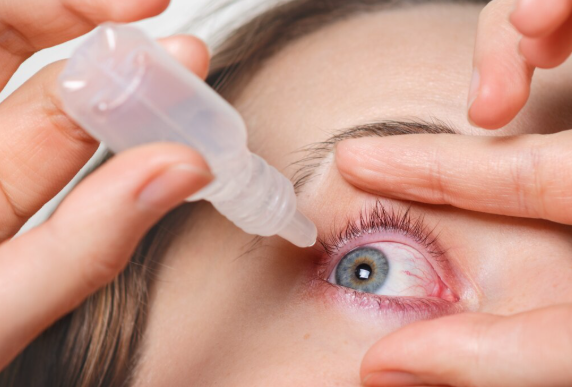
For many, the first line of defense against dry eye symptoms involves over-the-counter artificial tears. These eye drops provide temporary relief by lubricating the eye surface, helping to alleviate dryness and discomfort. Options abound, and some artificial tears are designed to mimic the natural composition of tears more closely, addressing not only lubrication but also the underlying inflammation that can exacerbate symptoms.
Prescription Treatments for Severe Cases
In instances where over-the-counter solutions fail, healthcare providers may prescribe medications aimed at addressing dry eye’s root causes. For example, anti-inflammatory drugs may be prescribed to combat ocular surface inflammation. Additionally, secretagogues stimulate tear production, providing a more long-term solution. These treatments require careful monitoring and assessment by an eye care professional.
Innovative Procedures and Devices
Beyond medication, several clinical procedures and devices can significantly improve life quality for individuals suffering from dry eye. Punctal plugs, which are small plugs inserted into the tear ducts, help retain moisture by preventing tears from draining too quickly. Another advanced option includes therapeutic contact lenses, specifically designed to support moisture retention on the eye’s surface. Such options are particularly beneficial for patients with chronic or severe dry eye symptoms.
Effectiveness of Lifestyle Modifications
Implementing lifestyle changes can enhance the efficacy of available treatments and provide additional relief from dry eye symptoms. Small adjustments address both environmental and behavioral factors contributing to the condition.
Environmental Adjustments
Simple changes in one’s environment can have a substantial impact. For example, using a humidifier can combat dry air conditions, particularly during winter months. Moreover, wearing sunglasses or goggles when outdoors shields the eyes from wind and UV light, both of which can worsen dryness.
Behavioral Changes: Digital Eye Strain and Breaks
Given the rise of digital technology usage, many individuals inadvertently contribute to their dry eye conditions through prolonged screen time without taking adequate breaks. Practicing the 20-20-20 rule, which involves looking at something 20 feet away for 20 seconds every 20 minutes, can help reduce eye strain and dryness.
Final Thoughts on Seeking Relief
In addressing dry eye symptoms, it is imperative for patients to work closely with an ophthalmology professional. Each individual’s condition is unique, and tailored treatment approaches are vital for achieving optimal relief. Awareness of available options and proper education about lifestyle modifications can profoundly affect overall eye health.
| Treatment Option | Description | Suitable For |
|---|---|---|
| Artificial Tears | Lubricating drops that provide temporary relief from dryness. | Occasional dry eye sufferers. |
| Anti-inflammatory Medications | Prescription drugs that reduce inflammation on the ocular surface. | Individuals with moderate to severe dry eye. |
| Punctal Plugs | Devices inserted in tear ducts to prevent tears from draining. | Patients with chronic dry eyes. |
By understanding and utilizing various dry eye treatment options, individuals can improve their daily comfort significantly. Collaborating with healthcare providers ensures access to the latest clinical approaches, complemented by effective self-care strategies to manage this common yet impactful condition.