
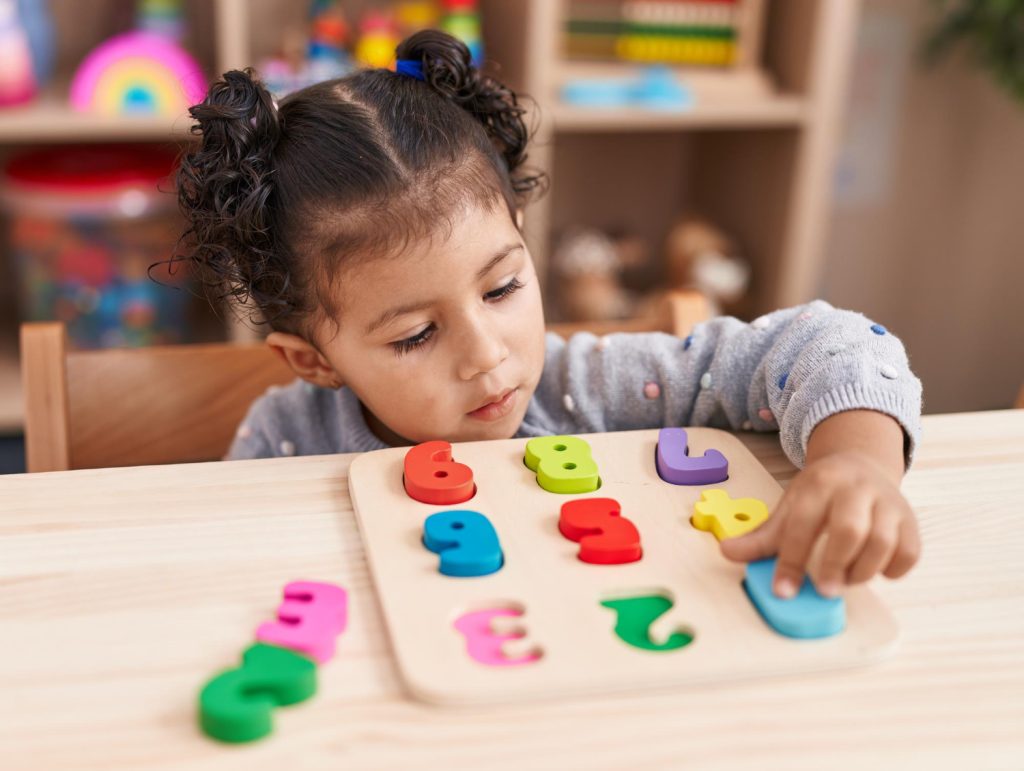
As children approach the transition to kindergarten, readiness involves more than just knowing the alphabet or being able to count to ten. It encompasses a blend of social, emotional, language, cognitive, and physical skills essential for thriving in a school environment. Understanding these key skills helps parents support their child’s development and instill confidence as they embark on this new journey. By fostering positive interactions and encouraging early learning experiences, we can lay a strong foundation for children’s future success in the classroom.
The Importance of Social and Emotional Skills
One of the highlights of kindergarten readiness is the development of social and emotional skills. Children must learn to understand and manage their emotions effectively, as well as recognize and interpret the feelings of their peers. Here are some essential skills in this area:
- Understand and manage emotions and behaviors with support.
- Grasp the concept of sharing, taking turns, and cooperating with others.
- Engage in fun interactions with peers.
- Adapt and learn from mistakes, continuing to try despite setbacks.
Language and Communication Skills: Building a Foundation
Effective communication is key to a child’s success. The early stages of development set the stage for future academic success. Fostering language and communication skills includes:
- Following simple instructions, which is crucial for classroom participation.
- Expressing thoughts and feelings clearly and engaging in constructive listening.
- Exhibiting curiosity and eagerness to explore new ideas through creative problem-solving.
Cognitive and Pre-Academic Skills: Laying the Groundwork
A child prepared for kindergarten should exhibit foundational cognitive skills. Recognizing letters, shapes, and basic patterns is vital for early learning success. Key attributes include:
- Recognition of many letters and shapes to develop reading readiness.
- Understanding basic patterns, sequencing, and sorting to enhance logical thinking.
- Demonstrating eagerness to explore new concepts and engaging in creative problem-solving.
Physical Development: Motor Skills Matter
Physical and motor skills play an unnoticed but crucial role in a child’s readiness for kindergarten. Developing these abilities can be divided into two categories:
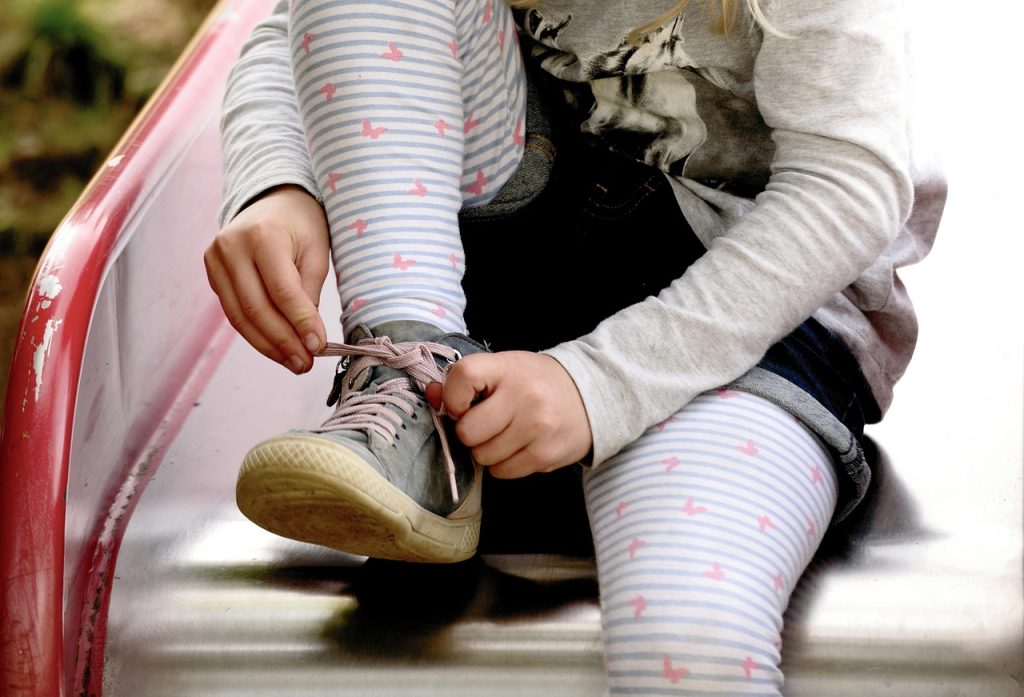
- Fine motor skills: Activities such as drawing, building block towers, and proper use of scissors help children refine their small muscle movements.
- Gross motor skills: Running, jumping, and playing ball can tighten coordination and enhance overall physical health.
Practical Life Skills: Foster Independence
Encouraging practical life skills not only boosts confidence but also teaches children important aspects of independence. Consider introducing these tasks gradually:
- Dressing themselves and using the bathroom independently.
- Following daily routines, which cultivates self-discipline and predictability.
- Feeding and cleaning up after themselves to promote responsibility.
Effective Tips to Enhance Kindergarten Readiness
Preparing your child for their first day of school can seem daunting, but there are practical strategies to facilitate a smoother transition. Here’s a collection of tips:
Encourage Play to Build Skills
Harness the power of play as a learning tool. Engage your child in activities like puzzles, blocks, and pretend play to develop problem-solving skills and creativity. Avoid over-reliance on structured worksheets; meaningful experiences foster authentic learning.
Establish Consistent Routines
Create consistent daily routines weeks prior to school commencement. Predictable schedules alleviate anxiety and empower children to feel secure as they step into this new chapter.
Gradually Ease Separation Anxiety
To help your child cope with separation anxiety, practice short goodbyes with trusted people. Develop a special goodbye routine to ensure they feel comfortable when it’s time to say farewell at school.
Integrate Early Literacy and Math Skills During Daily Life
Incorporate playful learning by counting snacks, sorting toys, and naming letters from everyday items. These fun interactions can help bolster skills that will be utilized in school.
Foster Social Confidence
Set up playdates or visit parks to encourage interaction with peers. These experiences teach valuable lessons in sharing, taking turns, and developing relationships.
Involve Your Child In Daily Tasks
Get your child involved in small tasks, such as packing their backpack or dressing themselves. These responsibilities significantly boost their confidence and cultivate independence.
Encourage Safe Risk-Taking
Allow your child to take healthy risks in a secure environment; this strategy not only builds self-esteem but also enriches life skills. It’s important to communicate trust to foster their growth.
Remember, as a family, your involvement is the most essential ingredient in school preparation. The small yet meaningful moments you share will nurture your child’s readiness for kindergarten.
Discover how Swan Childcare can support your family in this exciting journey ahead!