
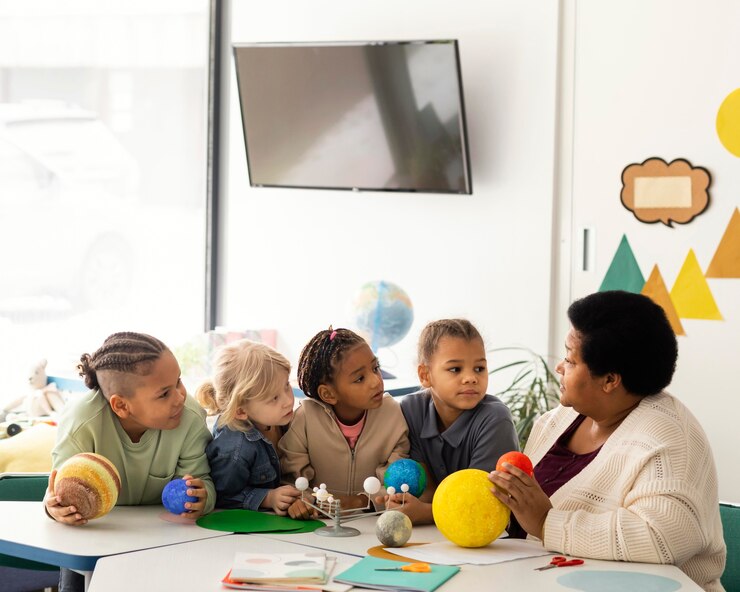
The K-8 school model is increasingly recognized as a beneficial approach to education, providing a seamless transition for students while fostering their academic, social, and emotional development. By maintaining continuity throughout the critical early years of education, this model encourages deeper relationships between students and teachers, promotes a sense of community, and cultivates a more personalized learning environment. As schools adapt to meet the evolving needs of their students, understanding the long-term advantages of the K-8 approach can shine a light on effective educational strategies that support lasting success both in and out of the classroom.
The K-8 Framework: An Overview
K-8 schools have become a popular choice among educators and parents alike due to their holistic approach. By eliminating the transitional hurdles faced during school changes, students benefit from a stable social environment. Here’s a deeper look at some of the positives associated with this model:
- Consistent environment: Students remain with the same peers and educators for an extended period, fostering strong relationships.
- Tailored learning: Educators can develop nuanced teaching strategies that consider the evolving needs of students.
- Community building: Families and staff are given ample opportunities to engage, creating a sense of belonging.
Emotional and Social Development
Addressing the whole child concept is paramount in education, and K-8 schools exemplify this focus. With an emphasis on social skills and emotional health, these institutions cater to students’ unique experiences and backgrounds.
Building Relationships
Stable relationships with teachers and classmates often translate into increased academic motivation. K-8 schools cultivate an atmosphere where emotional bonds can flourish. As students grow together, they learn valuable social skills such as empathy and cooperation, vital for their future interactions in high school and beyond.
Academic Support Systems
In the K-8 paradigm, educators are often better equipped to identify and support struggling students. They can tailor interventions that address specific challenges, leading to enhanced academic performance. By focusing on both emotional well-being and academic needs, K-8 schools foster a comprehensive support system, ensuring that no child is left behind.
Engagement in Learning
Student engagement is a critical factor in shaping a successful educational journey. In a K-8 setting, schools are able to implement engaging, project-based learning strategies that resonate with students.
Interactive Curriculum
The curriculum is crafted to promote not only cognitive skills but also critical thinking and emotional intelligence. Innovative approaches such as inquiry-based tasks and collaborative projects encourage students to immerse themselves in learning, making education relevant and exciting.
Civic Engagement
Moreover, K-8 schools often place a greater emphasis on community involvement. Through various projects and service-learning activities, students gain a sense of purpose, understanding how their contributions are integral to the broader community.
Preparation for High School and Beyond
Transitioning to high school can be daunting, but the K-8 model equips students with lifelong skills that ease this process. The prolonged time spent within the same environment allows for a smooth transition as students develop not only academic proficiency but also resilience.
Skill Development
The consistent focus on the student’s strengths and needs leads to the cultivation of critical skills, such as:
- Problem-solving capabilities
- Effective communication
- Time management and organization
Such skills are crucial for adapting to the challenges that await in high school and beyond, paving the way for future endeavors.
In conclusion, the K-8 school model presents a comprehensive and well-rounded approach that effectively supports not just immediate academic success, but also long-term growth and development. By focusing on nurturing relationships, providing robust support systems, and fostering engagement, this educational structure lays a solid foundation for students’ futures.
Discover more about maximizing student potential and fostering holistic growth in educational environments by exploring offerings from Our Lady Of Rosary School.