
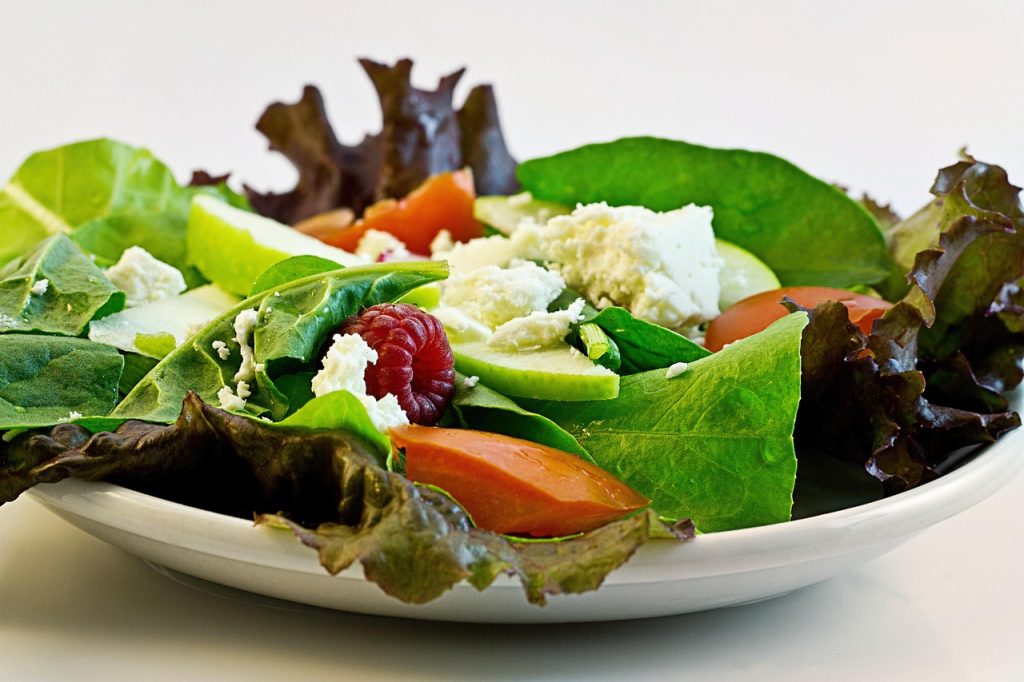
A better lunch menu is not simply a collection of nutritious dishes: it must also fit the time, equipment and routines available in the kitchen. When nutrient balance and prep time are planned together, meals can be satisfying and practical without relying on last-minute choices or sacrificing variety.
Nutrient Balance for a Practical Lunch Menu
A satisfying lunch combines several food groups rather than relying on a single ingredient. Vegetables and fruit contribute fiber and a range of micronutrients, while whole grains, legumes, eggs, fish, poultry, tofu or dairy can provide energy and protein.
Thinking in components makes menu optimization easier: ingredients can be mixed and matched without building every meal from scratch. Before choosing recipes, it helps to understand how a few broad combinations support a balanced plate.
Meal Components for Nutrient Balance
A useful starting point is to include vegetables or fruit, a protein source and a grain or other starchy food. Adding a modest amount of unsaturated fat, such as nuts, seeds or an olive-oil dressing, can contribute flavor and make a meal more satisfying.
Variety matters across the week as well as within one lunch. Rotating ingredients—such as beans, lentils, fish, eggs and tofu—helps keep the menu interesting and can broaden its nutritional range without requiring elaborate cooking.
Portions and Nutritional Value
There is no single portion that suits everyone, since appetite, activity and dietary needs differ. A flexible plate guide can still help: give vegetables a prominent place, include a source of protein, and choose a grain or other filling component according to the meal and the person eating it.
Dressings, sauces and toppings also affect nutritional value. Using them thoughtfully can make vegetables and grains more enjoyable, while keeping salt, added sugars and heavily processed extras from overshadowing the ingredients.
Once the nutritional framework is clear, the next challenge is making it achievable during a busy day. That is where realistic preparation choices matter as much as the recipe itself.
Prep Time Strategies for Efficient Food Preparation
Prep time is easier to manage when the menu accounts for both active work and waiting time. Chopping vegetables, cooking grains and preparing a sauce may be done in one session, while ingredients that lose texture or freshness can be assembled shortly before serving.
A simple plan also avoids over-preparation. Preparing components that can serve more than one recipe reduces repeated tasks, but keeping some ingredients separate preserves flexibility and helps maintain appealing texture.
Batch Preparation and Ingredient Reuse
Batch cooking can shorten weekday food preparation when it focuses on versatile ingredients rather than identical finished meals. A pot of grains, roasted vegetables or cooked legumes can be combined in different ways across several lunches, with fresh toppings or sauces adding distinction.
Food safety should shape this routine. Cooked food needs prompt refrigeration in suitable containers, and perishable ingredients should be stored and handled according to safe food guidance. Planning how ingredients will be cooled, stored and used prevents convenience from coming at the expense of safety.
Time-Saving Recipes and Smart Shortcuts
Time-saving recipes often depend on a few dependable shortcuts: using frozen vegetables, choosing canned beans with reduced salt, or selecting pre-washed greens. These options can make a healthy lunch more attainable, especially when they replace a task that would otherwise derail the plan.
The best shortcut is one that preserves both quality and choice. A prepared ingredient can save effort, while a homemade dressing or freshly added herbs bring brightness; combining the two keeps quick meals from feeling monotonous.
Preparation becomes more effective when the menu itself is designed around a repeatable structure. A short review of time, ingredients and variety can reveal where a plan is too demanding before the week begins.
Menu Optimization for Balanced Meals
Menu optimization means matching nutritional aims with the real conditions of a kitchen: available equipment, storage space, staff or household schedules, and the time needed to serve lunch. A menu that looks balanced on paper may be difficult to sustain if every dish requires separate, last-minute preparation.
Comparing dishes by both their components and their workload makes planning more transparent. The table below illustrates how different lunch formats can be assessed; actual choices should reflect dietary needs, availability and safe handling practices.
| Lunch format | Nutrient balance focus | Prep time approach |
|---|---|---|
| Grain bowl | Grains, vegetables, protein and a flavorful dressing | Prepare grains and vegetables ahead; assemble before serving |
| Bean or lentil soup | Legumes with vegetables and a grain or bread accompaniment | Cook a larger batch and portion safely for later meals |
| Whole-grain wrap | Vegetables with a protein-rich filling and a suitable spread | Prepare fillings in advance; assemble close to mealtime |
Weekly Planning and Menu Variety
Meal planning works best when it accounts for variety without demanding a new recipe every day. A weekly menu can rotate protein sources, colors, textures and cooking methods, while reusing a few basic ingredients to keep shopping and preparation manageable.
It is also useful to identify dishes that share ingredients but do not taste alike. Roasted vegetables might accompany a grain bowl one day and appear in a wrap or soup later, while different seasonings make each meal distinct.
Kitchen Workflow and Continuous Improvement
Reviewing the workflow after service helps refine future menus. Note which tasks took longer than expected, which components were left unused and whether the meals remained appealing; these observations support practical adjustments rather than guesswork.
A strong lunch menu is therefore not fixed. It evolves as seasons, preferences and kitchen capacity change, while retaining a dependable foundation of balanced meals, sensible preparation and satisfying variety.