
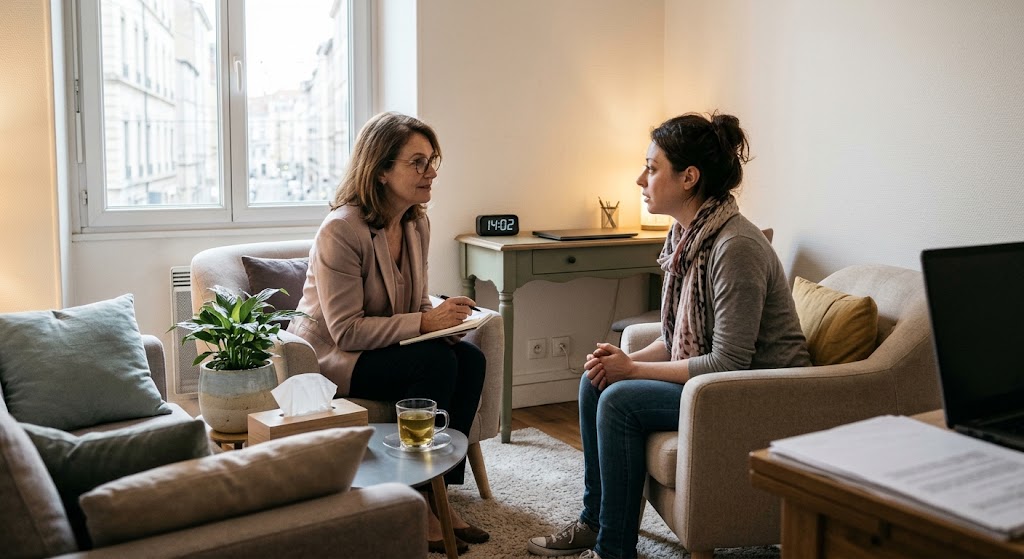
Starting therapy can feel intimidating, especially when anxiety already makes unfamiliar situations difficult. Understanding what to expect can ease some of that uncertainty. Anxiety Treatment begins with a conversation designed to understand your experiences, concerns, and goals without judgment.
What to Expect During Your First Anxiety Treatment Session
The first appointment usually focuses on understanding your symptoms and establishing a foundation for future care. Anxiety Treatment is tailored to each person, so the exact process varies between providers.
Discussing Your Symptoms and Concerns
Your therapist may ask how anxiety affects your daily life, relationships, work, and sleep. Questions might explore when symptoms began, what situations trigger them, and how you respond when anxiety intensifies.
You may discuss symptoms such as:
- Racing thoughts or persistent worry.
- Muscle tension, sweating, or a rapid heartbeat.
- Difficulty sleeping or concentrating.
- Avoidance of situations that cause distress.
Anxiety Treatment professionals use this information to understand your needs and determine which approaches may be appropriate.
Establishing Trust and Treatment Goals
You do not need to explain everything perfectly during your first session. A therapist should create a respectful environment where you can share information at a comfortable pace.
Confidentiality is an important part of the therapeutic relationship, although legal and safety-related exceptions may apply. Your provider should explain these boundaries.
Together, you may identify initial goals, such as managing excessive worry, improving sleep, or becoming more comfortable in challenging situations. Anxiety Treatment works best when these objectives reflect your individual priorities.
How Anxiety Treatment Develops After the First Appointment
The first session is generally the beginning of a process rather than a complete solution. Subsequent appointments may involve learning techniques, examining thought patterns, and tracking changes in symptoms.
Exploring Evidence-Based Approaches
Depending on your assessment, Anxiety Treatment may include cognitive behavioral therapy, exposure-based techniques, or other appropriate therapeutic methods.
- Cognitive restructuring: Learning to question unhelpful assumptions and consider alternative interpretations.
- Relaxation techniques: Practicing breathing or muscle relaxation to manage physical tension.
- Gradual exposure: Working with a qualified therapist to approach feared situations safely and progressively.
- Medication evaluation: Consulting an appropriate medical professional when medication may be beneficial.
Your therapist can explain the potential benefits and limitations of each approach.
Preparing for Your First Session
A little preparation can make Anxiety Treatment feel more manageable. Consider noting your main concerns, current symptoms, and questions about the therapeutic process.
You can also mention any accessibility needs, previous treatment experiences, or preferences regarding communication. Open communication helps your provider adapt sessions to your circumstances.
You are not expected to arrive with a complete understanding of your anxiety. The purpose of the first session is to begin understanding it together. With professional guidance, Anxiety Treatment can become a structured opportunity to develop healthier coping skills and improve everyday functioning.