
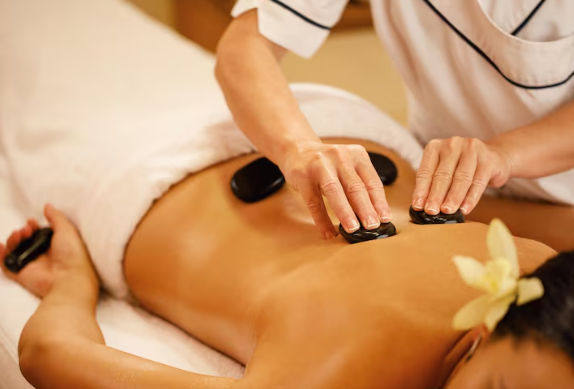
In the realm of wellness, spa massage therapy has established itself as a transformative practice, renowned for its therapeutic benefits. Among its various techniques, deep tissue massage stands out for its focus on alleviating persistent muscle tension and pain. This article explores how deep tissue techniques can be applied effectively while minimizing soreness, enhancing overall client satisfaction and recovery.
Understanding Deep Tissue Massage Techniques
The essence of deep tissue massage lies in its approach, targeting the deeper layers of muscles and connective tissues. By using firm pressure and slow strokes, practitioners aim to relieve chronic tension, reducing pain and improving mobility. Notably, a skilled therapist adapts techniques to each client’s unique needs, ensuring a comfortable experience while maximizing therapeutic outcomes.
Key Techniques Employed in Deep Tissue Massage
Various techniques contribute to the effectiveness of deep tissue massage. Understanding these methods allows for a more personalized experience tailored to individual needs:
- Slow Strokes: Therapists apply deliberate, consistent pressure, reaching deep muscle layers to ease chronic tension.
- Static Pressure: Sustained pressure is applied using fingers, knuckles, or elbows, effectively targeting problem areas.
- Friction: This technique involves circular movements to stimulate blood flow, reduce scar tissue, and promote healing.
- Muscle Stripping: A deep gliding technique that realigns muscle fibers, facilitating relaxation and improved movement.
- Active Release Techniques: Clients engage in movements, while therapists apply pressure, enhancing flexibility and reducing soreness.
Benefits of Deep Tissue Massage for Clients
Deep tissue massage not only alleviates pain but also enhances overall wellbeing. Among its numerous benefits, some noteworthy advantages include:
| Benefit | Description |
|---|---|
| Pain Relief | Effectively reduces chronic pain and tension, leading to improved quality of life. |
| Increased Blood Flow | Promotes circulation, facilitating faster recovery from injuries. |
| Stress Reduction | Encourages relaxation and reduces anxiety, enhancing mental clarity. |
| Flexibility Improvement | Enhances range of motion, benefiting athletes and physically active clients. |
| Posture Correction | Helps alleviate tension associated with poor posture, promoting body balance. |
Ensuring Comfort During Deep Tissue Sessions
Comfort is paramount in providing deep tissue massage. Therapists should prioritize communication to guarantee clients are at ease throughout the session. Here are essential practices to foster a comfortable environment:
- Initial Consultation: Discuss medical history, specific problem areas, and desired outcomes before beginning.
- Gradual Pressure Application: Start with lighter pressure. Gradually increase intensity based on client feedback.
- Frequent Check-ins: Regularly ask about maximum comfort levels and adjust techniques accordingly.
- Post-Massage Guidance: Suggest clients drink plenty of water and consider gentle stretches to ease potential soreness.
Differentiating Deep Tissue from Other Massage Techniques
Identifying how deep tissue massage differs from other modalities can empower therapists to tailor their approaches effectively. Understanding these distinctions allows for targeted interventions:
| Massage Type | Focus | Pressure Level |
|---|---|---|
| Swedish Massage | Relaxation and superficial muscle tension relief. | Light to medium |
| Sports Massage | Injury prevention and performance enhancement for athletes. | Variable, often firm |
| Myofascial Release | Fascial restriction relief through sustained pressure. | Gentle to moderate |
| Trigger Point Therapy | Focus on specific knots causing referred pain. | Firm |
Final Thoughts: Maximizing the Benefits of Deep Tissue Massage
The application of deep tissue massage techniques can be profoundly beneficial for clients seeking relief from chronic tension and pain. By adapting methods to client needs and prioritizing comfort, therapists can effectively offer a service that addresses profound physical concerns while minimizing discomfort. This nuanced understanding enhances the overall massage therapy experience, making it an invaluable offering in spa settings.
For those looking to experience professional massage therapy tailored to their needs, Massage Therapy Associates Of Brevard offers a suitable solution worth exploring.