
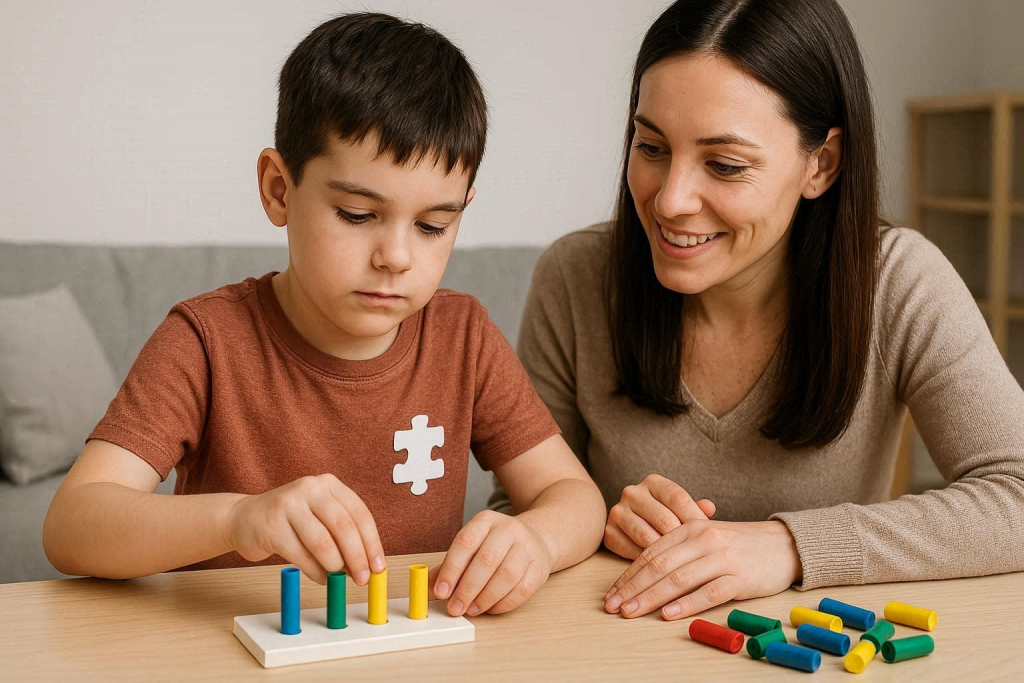
Caring for individuals with autism can be both a rewarding and challenging experience. Whether you are a parent, relative, or professional caregiver, equipping yourself with effective strategies is essential for providing optimal support. In this guide, we explore practical techniques designed to enhance the quality of care for those on the autism spectrum.
Creating a Structured Environment for Comfort
Establishing Routines
Routine can provide a sense of security for individuals with autism. Establishing clear daily schedules helps reduce anxiety and fosters independence. Use visual aids such as charts or calendars to outline daily activities, supporting comprehension and predictability.
Adapting Your Space
A sensory-friendly environment can significantly improve comfort levels. Identify sensory sensitivities and adjust the environment accordingly. This may include minimizing bright lights, reducing noise, or providing designated quiet spaces for relaxation. Creating a home that accommodates sensory needs promotes well-being and learning.
Effective Communication Techniques
Utilizing Alternative Communication Methods
Many individuals with autism may be non-verbal or have limited verbal skills. Employing alternative communication methods can enhance interactions. Consider tools like Picture Exchange Communication Systems (PECS), sign language, or technology-assisted communication devices. These strategies help convey needs and feelings, bridging the communication gap.
Understanding Non-Verbal Cues
Being attuned to non-verbal communication is vital. Individuals with autism often express themselves through gestures or other non-verbal signals. By recognizing these cues, caregivers can respond appropriately, fostering deeper connections and understanding.
Behavior Management: Proactive and Positive Approaches
Implementing Positive Reinforcement
Positive reinforcement is a powerful tool in behavior management. Reward desired behaviors with verbal praise, tokens, or small privileges. This approach encourages individuals to repeat positive actions and fosters a more upbeat atmosphere conducive to learning and growth.
Addressing Challenging Behaviors
Challenging behaviors may arise due to communication difficulties, sensory overload, or changes in routine. Perform functional assessments to identify triggers and create tailored intervention strategies. Maintaining a calm demeanor and employing strategies such as redirection can be beneficial when addressing these situations.
Supporting Social Skills Development
Facilitating Social Interactions
Encouraging social engagement can be a game changer. Create opportunities for individuals with autism to interact with peers in controlled environments. Role-playing scenarios, or structured playdates can significantly enhance social skills, allowing them to practice communication in real-life situations.
Utilizing Social Stories
Social stories are an effective way to teach social norms and expected behaviors. These short written narratives describe various social situations and appropriate responses. Sharing social stories with individuals before engaging in new activities or environments can help prepare them for experiences and reduce anxiety.
Resource and Training Opportunities for Caregivers
Pursuing Continuous Learning
Ongoing education is crucial for caregivers. Attending workshops, joining support groups, or pursuing formal training—such as the Registered Behavior Technician (RBT) course—equips caregivers with the latest knowledge in autism care. Being informed allows caregivers to adapt their practices based on current research and best practices.
Connecting With Support Networks
Isolation can be a prevalent issue for caregivers. Connecting with local or online support networks is invaluable. Sharing experiences and seeking advice from fellow caregivers fosters a sense of community and allows for the exchange of practical strategies, alleviating the emotional burden of caregiving.
Encouraging Independence and Life Skills
Teaching Daily Living Skills
Fostering independence is paramount. Involve individuals with autism in daily tasks such as cooking, cleaning, or personal hygiene. Break down tasks into manageable steps and use visual aids to facilitate learning. Creating opportunities for self-sufficiency nurtures confidence and autonomy.
Promoting Self-Advocacy
Encouraging self-advocacy empowers individuals with autism to express their needs and preferences. Teach them to communicate their feelings and desires effectively. This can be achieved through role-playing and modeling scenarios where they practice asserting themselves in various situations.
Prioritizing Self-Care for Caregivers
While caring for others is rewarding, it can also be exhausting. It’s essential for caregivers to prioritize their own well-being to sustain the quality of care provided. Regular physical activity, mindfulness exercises, and engaging in personal interests can replenish energy levels and foster resilience.
By embracing flexibility and staying informed, caregivers can foster an environment where individuals on the autism spectrum can truly thrive. Remember, seeking guidance from an expert in autism care can further enhance your ability to make a positive impact.