
As we age, ensuring our bodies receive the right nutrients becomes increasingly crucial for maintaining overall health and vitality. Nutritional deficiencies can lead to a myriad of health issues, particularly for seniors who may face challenges in nutrient absorption. Understanding and prioritizing essential nutrients can significantly improve quality of life, helping manage chronic conditions and enhance daily functioning. In this guide, we’ll explore the seven essential nutrients that every senior should incorporate into their daily diet for optimal well-being.
1. Vitamin B12: Essential for Nerve Function
Often referred to as the “energy vitamin,” Vitamin B12 plays a critical role in maintaining a healthy nervous system and producing red blood cells. Unfortunately, as we age, the body’s ability to absorb B12 diminishes. This can lead to fatigue, mood changes, and neurological issues. Seniors should aim for 2.4 mcg of Vitamin B12 daily through sources such as eggs, dairy products, and fortified cereals.
2. Vitamin D: The Bone Protector
Vitamin D is another indispensable nutrient, particularly for seniors, as it promotes calcium absorption and supports bone health. With age, the skin’s ability to synthesize Vitamin D from sunlight decreases, increasing the risk of osteoporosis and fractures. Including fatty fish, fortified milk, and egg yolks in one’s diet can help achieve the recommended daily intake of 600 to 800 IU.
3. Calcium: The Building Block for Strong Bones
Calcium is essential for maintaining healthy bones and preventing conditions like osteoporosis. Seniors need about 1,200 mg of calcium each day. Incorporating dairy products, leafy greens, and fortified foods can make a significant difference, ensuring stronger bones and reducing fracture risk.
4. Fiber: A Digestive Champion
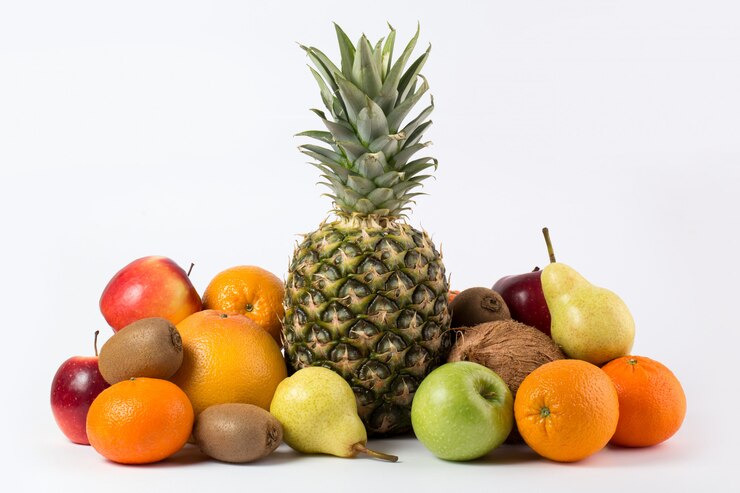
Increased fiber intake is crucial for seniors as it aids digestion, prevents constipation, and can even lower cholesterol levels. It is recommended to consume 25 to 30 grams of fiber daily. Foods like fruits, vegetables, whole grains, and legumes are excellent sources to enhance gut health.
Fiber-Rich Foods to Include
- Apples and Pears
- Oats and Whole Grain Bread
- Chickpeas and Lentils
- Broccoli and Carrots
5. Omega-3 Fatty Acids: Heart Health Heroes
Omega-3 fatty acids, found in sources like fish, walnuts, and flaxseeds, play a pivotal role in cardiovascular health. They help lower cholesterol levels and reduce inflammation. Seniors should aim for at least two servings of fatty fish per week or consider supplements if necessary for optimal heart health.
6. Potassium: The Blood Pressure Regulator
Potassium is crucial for regulating blood pressure and ensuring proper muscle function. The recommended daily intake for seniors is around 4,700 mg. Fruits like bananas, oranges, and vegetables such as potatoes and spinach are wonderful ways to increase potassium levels naturally.
7. Magnesium: The Stress Buster
Last but not least, magnesium is vital for countless bodily functions, including muscle contraction, nerve function, and energy production. As many as 70-80% of seniors may not meet their magnesium needs, leading to potential health complications. Aim for 320 to 420 mg daily by enjoying foods such as nuts, seeds, whole grains, and leafy greens.
Magnesium-Rich Options
| Food Source | Magnesium Content (mg) |
|---|---|
| Spinach (1 cup, cooked) | 157 |
| Almonds (1 oz) | 76 |
| Black Beans (1 cup, cooked) | 60 |
| Avocado (1 medium) | 58 |
Incorporating these nutrients into your daily meals can significantly enhance your quality of life as you age. A senior-focused diet ensures that the body receives essential support for cognitive function, energy levels, and overall health.
If you’re ready to embark on a journey toward healthier eating, consider exploring various services provided by Hora Feliz Adult Day Care Inc.
Furthermore, protein is essential for preserving muscle mass and overall body function. Lean meats, legumes, and dairy sources can help seniors maintain adequate protein levels.
Seniors also need sufficient fiber for digestive health and to prevent chronic illnesses. Whole grains, fruits, and vegetables are great fiber sources that aid in this demand.
Lastly, Vitamin D is indispensable for calcium absorption and maintaining bone health. Seniors can obtain Vitamin D from sunlight exposure, fortified foods, and supplements, especially during the winter months.